Biloxi: 228-435-3000 | Ocean Springs: 228-872-6000 | Hattiesburg: 601-583-5000
Lowball Jury Verdict In Mississippi And The TV Lawyer Trap
A Mississippi man won on liability and still walked out with five thousand dollars. Here is how a thin file hands the insurance company a lowball verdict, and how to stop it.

The TV lawyer on the billboard will not tell you this, because he has never worked up a damages case in his life. He signs you, he stacks your file on a secretary’s desk, and he waits for the insurance company to mail a check. He does not build your medical proof. He does not prepare you for the witness stand. He does not think about what a defense doctor will say six months from now. He thinks about volume. And when the jury hands his client a fraction of what the case was worth, he shrugs, takes his forty percent of the scraps, and moves on to the next billboard call. A real Mississippi case shows you exactly what that costs an injured person.
In Garth v. Rapid Oil Change Inc., decided by the Mississippi Court of Appeals, a man took his vehicle in for an oil change and a tire rotation. The shop did not tighten the lug nuts. As he drove down the highway his front tire came off and the front end of his vehicle slammed into the pavement. He claimed the violent jerking injured his neck and lower back. The shop did not even fight the question of fault. It admitted its employee was negligent. Liability was handed to him on a silver platter. The only thing left for the jury to decide was how badly he was hurt and what that was worth.
He asked the jury for over one hundred fifty thousand dollars. He walked out with five thousand. Two thousand five hundred for his economic losses and two thousand five hundred for everything he went through. Then he asked the trial court to add to that verdict or give him a new trial on damages, and he lost that too. Then he appealed, and the Court of Appeals affirmed. Five thousand dollars on a case where the other side admitted it caused the wreck. Read that again. The defense admitted fault and he still got crushed on damages.
How A Lowball Jury Verdict Happens Even When The Other Side Admits Fault
Here is what the record shows, and here is where the case was quietly lost long before the jury ever sat down. The investigating officer testified that at the scene, the injured man told him he was not hurt. He did not go to a doctor that day. He went to a school banquet instead. He waited about a week before he sought any treatment. When he finally got a CT scan, it showed no fractures, no dislocations, nothing acute. He did not see the chiropractor who became his main treating witness until six months after the wreck. The defense brought in a neurosurgeon who told the jury there were no objective findings to support the complaints and that, in his opinion, the wreck did not cause the injuries at all.
Now put yourself in the jury box. You have a man who told the police officer he was fine. You have a gap of a week before any treatment and six months before the key treatment. You have a clean scan. You have a defense doctor saying there is nothing there. Against all of that you have the injured man saying it hurts and a chiropractor saying it correlates. The jury is the sole judge of who to believe and how much a case is worth. When the proof is thin and the timeline looks bad, the jury does what this jury did. It believes the defense, it ties the award to the one bill it trusts, and it sends the injured person home with almost nothing. The appellate court will not save you from that. It said so plainly. When the evidence is in conflict, the jury decides, and a verdict will not be overturned just because it is small.
This Lowball Jury Verdict Was Avoidable From The Very First Week
I want to be clear about something. Every single one of these problems was fixable. The statement to the officer. The treatment gap. The banquet. The six month delay. The clean scan. The way the chiropractor was presented against a neurosurgeon. All of it could have been handled, framed, and built into a case that did not hand the defense a free roadmap to a five thousand dollar verdict. There is a right way to document an injury from the day it happens, a right way to close a treatment gap before it becomes a weapon, and a right way to prepare proof so a jury cannot wave it away. The insurance company knows every one of these soft spots. It is counting on your lawyer not to.
I am not going to lay out every one of those fixes here on a blog where the insurance defense lawyers read along for free. That is exactly the kind of thing the billboard lawyers give away and then wonder why their clients get lowballed. I put the real mistakes, and how an injured person avoids them, in my free book. It is written for people in Mississippi who got hurt and do not want to find out the hard way what a thin file does to a verdict. If you have been in a wreck and you want to know what actually protects the value of your case, get the book before you make a single one of the mistakes that sank the case above.
You do not have to be ready to hire anybody. You do not have to talk to me at all. Read the book first. Decide for yourself. That is the whole point.
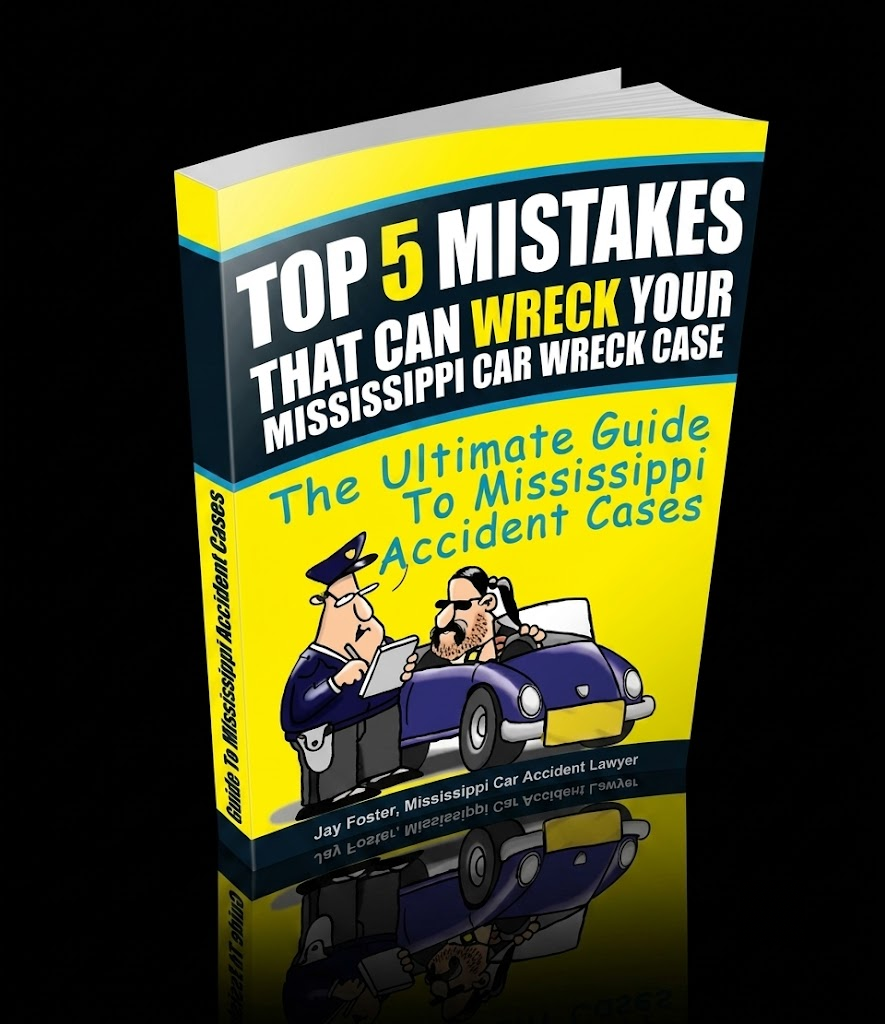
▼ Get Your FREE Book Right Now ▼
Fill Out The Form Below And I Will Send It Immediately
If you want to see how I handle car wreck cases on the Mississippi Gulf Coast, you can read more about my approach to a Mississippi car wreck case. The case discussed here is Garth v. Rapid Oil Change Inc., No. 2025-CA-00148-COA, decided by the Mississippi Court of Appeals. This article is commentary on a public appellate decision and general information, not legal advice about your situation.