Biloxi: 228-435-3000 | Ocean Springs: 228-872-6000 | Hattiesburg: 601-583-5000
Ocean Springs Rideshare Car Accident Lawyer: Your Uber Driver Was In The App When He Hit You And The TV Lawyer’s Secretary Has No Idea What That Means For Your Case
If you need an Ocean Springs Rideshare Car Accident Lawyer, the Uber and Lyft traffic concentrated around the downtown restaurants on Washington Avenue and the late-night pickup corridor along Highway 90 is exactly where these cases originate. A rideshare driver who was in the app when he hit you is not just a distracted driver. He is a commercial operator under a specific insurance framework that your TV lawyer has never navigated in a Mississippi courthouse. His secretary is managing your file from a cubicle in another state. She does not know that the coverage picture in a rideshare case changes completely depending on whether the driver had a passenger, was waiting for a match, or had the app off entirely at the moment of impact. She is not a lawyer. She cannot figure that out. She will sit by the phone for the adjuster’s call and grab whatever number gets that file off her screen the quickest.
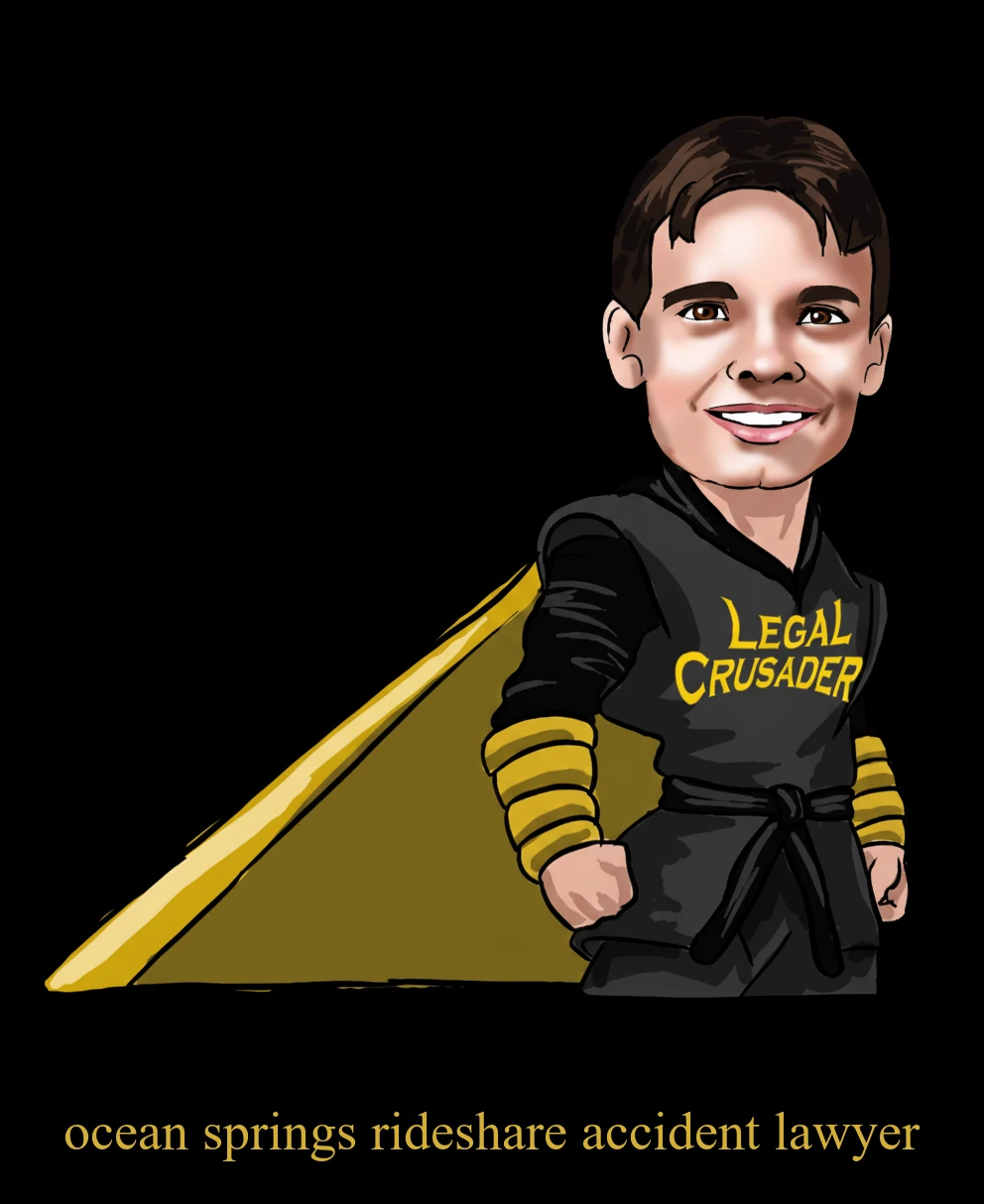
This is Jay Foster, and you can find my office on Legion Lane in Ocean Springs. Rideshare accident cases in Jackson County require a lawyer who understands the layered insurance structure that Uber and Lyft built specifically to limit their exposure in crashes like the one you were just in. I have been practicing in Jackson County Circuit Court for decades. That is where your case gets filed if the adjuster does not put a fair number on the table.
Ocean Springs Rideshare Car Accident Lawyer: The Three Coverage Phases That Determine Who Pays
Uber and Lyft designed their insurance structure so that every phase of a rideshare trip triggers different coverage limits. Getting this wrong means leaving significant money on the table. His secretary will miss it, because nobody ever told her this layer exists.
Phase one is when the app is off. The driver is operating as a private motorist. Only his personal auto policy applies. If that policy has low limits, your recovery is limited to those limits unless there are other sources of recovery.
In phase two the app is on while he waits for a match. Uber and Lyft carry contingent liability coverage during this phase, but only up to specified limits that are lower than phase three coverage. The driver’s personal policy is primary during this phase but the personal policy may exclude commercial use. His secretary will never spot that exclusion fight.
Phase three is when the driver has accepted a ride request or has a passenger in the vehicle. This is when Uber and Lyft’s full commercial coverage applies. These limits are substantially higher. Identifying which phase the driver was in at the exact moment of impact is the first and most important legal question in every rideshare case. The answer comes from the trip data in Uber or Lyft’s records, which must be requested by written demand in litigation. The TV lawyer’s intake form does not have a field for it.
Ocean Springs Rideshare Car Accident Lawyer: The Evidence That Has A Closing Window Right Now
The rideshare app data showing the driver’s status at the moment of impact exists in Uber or Lyft’s servers right now. A litigation hold demand to the platform preserves it. Without a hold, that data cycles on a routine retention schedule. Store cameras on Washington Avenue and along Highway 90 in Ocean Springs record over themselves every one to three days. Cameras on the MDOT system at Exits 57 and 61 may hold the minutes before impact. The driver’s phone records showing app activity at the time of the crash are obtainable by subpoena in litigation but only if the case is moving before those records are purged.
Every one of those evidence sources closes on its own schedule. The TV law firm preserves none of it, because his secretary is too busy waiting on the adjuster’s number.
The TV Lawyer’s Settlement Mill Formula Has Never Seen The Inside Of A Jackson County Courtroom
Decades of trying car crash cases, and I have yet to see a TV lawyer inside a courthouse. Anywhere. Ever. That billboard face will never stand before a Jackson County jury on your rideshare case. The state never licensed him, and no Mississippi judge will ever see him. What he is going to do is have his secretary call the Uber insurance adjuster, get a number, take his percentage off the gross settlement before you see a dollar, pile case expenses on your remaining share, and close the file.
That number will not reflect the phase three commercial limits if the driver was in an active trip. It will not reflect whether Uber or Lyft bears direct liability for a negligent entrustment theory if the driver had prior accidents or violations on his record that the platform knew about. It will not reflect whether the personal auto policy exclusion for commercial use opens up a gap that needs to be argued. The secretary closing your file does not know any of that exists. She is not a lawyer.
You hire me, you get me, on every phone call and every demand letter to Uber or Lyft. Every subpoena for trip data and driver records. Every argument about which coverage phase applies and why the commercial limits govern your case. I handle approximately 75 cases at a time because that is how many cases one lawyer can actually know and fight properly.
▼ Get Your FREE Book Right Now ▼
Fill Out The Form Below And I Will Send It Immediately
What Your Ocean Springs Rideshare Accident Case Is Actually Worth
Every medical dollar this wreck costs you. Emergency room treatment at Singing River Health System Ocean Springs Hospital, every specialist, every surgery, every physical therapy appointment, every future treatment your injuries will demand. Missed paychecks. Earning power you lose for good if the injuries last. Your pain. Your wrecked car. And under section 11-7-15, Mississippi’s comparative fault statute, expect the insurer to try pinning part of the crash on you to reduce what they pay. In a rideshare case, identifying the correct defendant and the correct coverage layer is what determines the ceiling on your recovery. The secretary closing your file does not know what the ceiling is.
Rideshare Crash Suits And The Jackson County Courthouse
If the rideshare insurer will not pay, your suit gets filed at the Pascagoula courthouse on Magnolia Street. Citation matters go to the Ocean Springs municipal court. The TV lawyer advertising in Ocean Springs from New Orleans cannot walk into either building in a legal capacity. The insurance defense firms that handle Jackson County rideshare cases know which lawyers are a threat in that courtroom. That knowledge shows up in the first offer they put on the table.
Read the Ocean Springs car accident lawyer page for how injury claims work in Jackson County, and the Mississippi rideshare accident lawyer page for the statewide legal framework on Uber and Lyft cases.
Does Uber Or Lyft’s Insurance Cover Me If Their Driver Hit Me In Ocean Springs?
It depends entirely on what phase of the trip the driver was in at the moment of impact. If the app was off, only the driver’s personal policy applies. If the driver had the app on and was waiting for a match, Uber or Lyft carry contingent liability coverage at lower limits, but the driver’s personal policy may exclude commercial use. Once a ride is accepted or a passenger is aboard, the full commercial policy applies at much higher limits. Identifying which phase applied requires the trip data from Uber or Lyft’s records, which must be requested by written demand in litigation.
What Rideshare App Data Can Be Used To Build My Ocean Springs Uber Or Lyft Accident Case?
The trip data in Uber or Lyft’s servers shows the driver’s app status, GPS location, speed, and trip acceptance record at the exact moment of impact. That data determines which coverage phase applied and what insurance limits govern your claim. It also shows whether the driver had prior incidents on their record that the platform knew about, which can open a negligent entrustment theory against Uber or Lyft directly. A litigation hold demand to the platform preserves it. Without a hold, it cycles on routine retention schedule.
Can The Rideshare Company Be Sued Over An Ocean Springs Car Accident?
Uber and Lyft usually hide behind the independent contractor label, which blocks most direct suits. Knowing about a driver’s prior accidents or violations and dispatching him anyway is exactly what turns that independent-contractor shield into a negligent entrustment claim against the platform. I can subpoena the driver’s records and background check once suit is filed. Those records decide whether this theory fits your case. The TV lawyer’s secretary will never send that subpoena.
How Long Do I Have To Bring An Ocean Springs Rideshare Injury Claim?
State law gives an injured rideshare rider a three-year filing window. That rideshare platform’s contract may itself try to shorten this window or push the claim into arbitration, and getting a lawyer to evaluate those terms needs to happen before you engage with any part of the platform’s claims process. The deadline that threatens your case first is not the statute of limitations. It is the retention schedule on the app data and the overwrite cycle on the Washington Avenue business cameras, both of which close in 72 hours or less.
What Should I Do Immediately After An Uber Or Lyft Accident In Ocean Springs?
Refuse every request for a recorded statement, including one from the rideshare platform’s insurer. Screenshot your trip status in the Uber or Lyft app immediately, including the trip ID, driver information, and the time of the match or acceptance. Get the driver’s personal insurance information at the scene in addition to whatever the app shows. Document the scene and your injuries as completely as possible. Then contact a lawyer before the 72-hour camera overwrite window on Washington Avenue and Highway 90 closes. The app data and the business camera footage are the two most critical evidence sources and both close fast.
P.S. The rideshare app data showing which coverage phase applied closes on its own retention schedule. The TV lawyer’s secretary does not know to request it. Get the FREE book first and find out what the insurance company is counting on you not knowing before you talk to anyone.
▼ Get Your FREE Book Right Now ▼
Fill Out The Form Below And I Will Send It Immediately