Biloxi: 228-435-3000 | Ocean Springs: 228-872-6000 | Hattiesburg: 601-583-5000
Waveland Tanker Truck Accident Lawyer: The Chemical Running Down US-90 After The Crash Is Not The Only Hazard, The Carrier Who Put An Undermaintained Tanker On MS-603 Is The Other One
If you need a Waveland tanker truck accident lawyer, a tanker truck accident in Waveland is different from every other commercial vehicle accident on US-90 or Mississippi Highway 603. The cargo matters. Fuel tankers, chemical tankers, and liquid food-grade tankers all carry loads that create secondary hazards at an accident scene that a standard truck wreck does not produce. A fuel spill on US-90 at Waveland is a fire risk for every vehicle within the spill perimeter. A chemical tanker breach is a hazmat event that can affect everyone within a radius that depends on what the tanker was carrying and what direction the wind is blowing. The carrier who put that tanker on Mississippi Highway 603 or US-90 without proper maintenance, without a properly qualified hazmat-endorsed driver, and without the placarding and documentation required by federal law has created a hazard that goes beyond the collision itself.
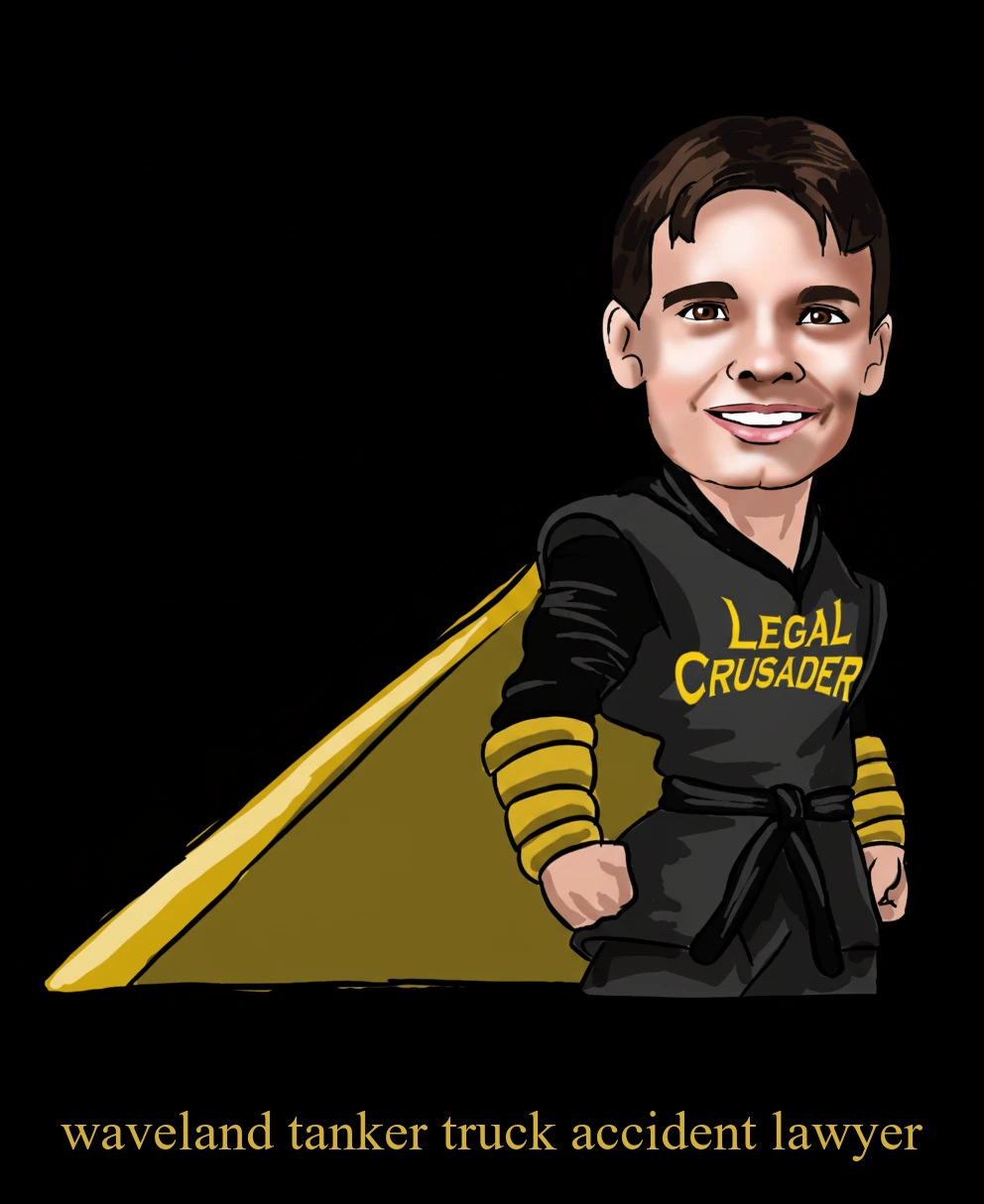
I am Jay Foster. This coast is where I work and where I try cases. I have a Mississippi Bar license and I walk into Hancock County Circuit Court in Bay St. Louis. Trucks tip when the weight is wrong or the speed is. Black box data, skid marks, and vehicle damage patterns exist to answer exactly that question, and calling it unclear is easier than ordering the accident reconstruction report that would settle it. You can look up the lawyer’s Mississippi Bar record at the Bar’s public roll of licensed lawyers in about a minute. Without that license he cannot file your lawsuit here at all. That billboard pitchman will grab your call, take your details, hand you off to an intake clerk, and immediately cash a referral fee without ever filing a suit. You deserve better.
Read it before you talk to an adjuster, sign anything, or cash a check. A Bar complaint got filed trying to keep this off the page. That complaint existed for one reason, to keep this page from you. It went nowhere.
Federal Hazmat Requirements And What The Carrier’s Paperwork Tells A Hancock County Jury
Carriers transporting hazardous materials are subject to Parts 171 through 180, which govern everything from container specifications to driver training to emergency response documentation. A tanker driver transporting fuel or certain chemicals must hold a commercial driver’s license with a hazmat endorsement. The endorsement requires a TSA security threat assessment and a written knowledge test on hazmat handling. A carrier that put a driver without that endorsement behind the wheel of a fuel tanker and sent him down Mississippi Highway 603 toward Waveland has violated federal law, and that violation is evidence of the recklessness that opens a door to punitive damages under Section 11-1-65.
Beyond driver qualifications, the carrier must maintain shipping papers documenting the hazardous material class, the UN identification number, and the proper shipping name. Those papers must be in the cab and accessible to emergency responders. A carrier that did not comply with these requirements created an additional risk for everyone at the accident scene, including first responders who arrived without knowing what was in the tanker. The documentation failures are part of the liability picture, not a footnote to it.
Waveland Tanker Truck Accident Lawyer: The Chemours DeLisle Plant And Industrial Tanker Traffic On The Waveland Corridor
The Chemours DeLisle plant on DeLisle Road has been operating in Harrison County for decades, generating industrial chemical tanker traffic that runs through Pass Christian and toward the Waveland corridor. Chemical tankers moving product to and from industrial facilities in Hancock and Harrison counties use US-90 as the primary coastal corridor. Drivers on those runs know the route. The carriers who assign them know the route. What they know about the route is not always what they tell their safety managers or their insurance carriers about how those runs are being made.
A tanker carrier whose drivers are running the Waveland corridor regularly on tight schedules has dispatch records that will show how often those runs are made and how much time is built into the schedule for the distance and road conditions. A schedule that cannot be met without exceeding posted speed limits or skipping mandatory rest is a schedule that the carrier set knowing it created risk. Getting to those dispatch records requires a federal evidence preservation demand and a lawyer who will pursue them through discovery in Hancock County Circuit Court.
Waveland Tanker Truck Accident Lawyer | Exposure Injuries From A Waveland Tanker Accident: What Your Damages Picture Looks Like
If the tanker that hit you was carrying a hazardous material and you were exposed to that material at the scene, your damages picture extends beyond the collision injuries. Chemical exposure injuries can involve respiratory damage, skin injury, neurological effects, and long-term health consequences that do not present fully in the weeks after the accident. Getting a complete medical evaluation from a physician who understands chemical exposure is essential before any settlement discussion. A settlement that closes your case before your full exposure injury picture is documented is a permanent mistake, because Mississippi does not allow you to reopen a settled case when additional injuries appear later.
The carrier’s insurance coverage for a hazmat accident is also different from standard commercial vehicle coverage. Hazmat carriers are required to carry higher minimum insurance levels under Part 387, and the nature of the cargo may trigger additional coverage tiers. Identifying the complete insurance picture on a tanker accident requires a lawyer who knows how to read carrier insurance filings and what the coverage requirements mean for your specific case.
The Secretary Does Not Know What A Hazmat Endorsement Is
Call the TV lawyer’s number after a tanker truck hits you on US-90 or Mississippi Highway 603 in Waveland. A woman will answer. She will take your name and tell you someone will call you back. She does not know what a hazmat endorsement is, what Part 177 requires for hazardous materials transportation, or what the insurance filing requirements are for a chemical carrier operating in interstate commerce. She fills out intake forms. The carrier’s response team is already on scene and their environmental cleanup contractor is documenting what was in that tanker in a way that protects the carrier’s interests, not yours.
When you hire me, I handle your Waveland tanker truck accident case. I identify every defendant. I send the preservation demand. I pull the carrier’s hazmat compliance records. I get your medical documentation in front of an expert who understands chemical exposure. Visit the firm’s resources page for additional legal tools and references. Not a secretary. Not a referral. Me.
The $5,000 Double-Dare Challenge
Call any TV lawyer advertising in Mississippi right now. Ask them to put in writing that you will always receive more money from your case than they do in attorney fees. Write down exactly what they say. Then reach out and read it back.
I will pay you $2,500.00 cash if the TV lawyer whose face is on the billboard personally handles your tanker truck accident case from the first call to the final check. Every phone call. Every court appearance. Every filing. Personally. I will pay you another $2,500.00 if that same TV lawyer files it personally and does the talking at trial, not a substitute.
That offer has been open for years. It has never been paid. Because they cannot do it.
The Foster Fair Fee Guarantee: More In Your Pocket Than Your Lawyer’s. In Writing. Before We Start.
The Foster Fair Fee Guarantee You clear more than I do on your own injury. Every case. If that ever fails on the arithmetic, I fix it out of my own fee rather than yours. No other Waveland tanker truck accident lawyer will match that in writing. The hazardous materials transportation rules under Parts 171 through 180 are published by the Federal Motor Carrier Safety Administration.
▼ The Adjuster Has Read His Manual ▼
Now Read Yours
What To Do Right Now If A Tanker Truck Hit You In Waveland
Get medical treatment immediately and tell your treating physician about any possible chemical exposure at the scene. Do not give a recorded statement to any insurance company, carrier representative, or adjuster. Do not sign anything. Do not accept any offer before you have legal representation.
Get the FREE book first and find out what they are counting on you not knowing before you sign anything. Return to the Waveland truck accident lawyer hub to see all truck accident types the firm handles in Hancock County. For the statewide truck accident picture, see Mississippi truck accident lawyer.
Waveland Tanker Truck Accident Questions I Get Every Week
What Is A Hazmat Endorsement And Why Does It Matter In My Waveland Tanker Truck Case?
A hazmat endorsement is an additional certification on a commercial driver’s license that authorizes the holder to transport hazardous materials. Getting it requires a TSA security threat assessment and a knowledge test on hazardous materials regulations. If the tanker driver who hit you was transporting a placarded hazardous material without that endorsement, the carrier violated federal law. That violation is evidence that the carrier did not take its legal obligations seriously and is the kind of documented recklessness that opens the door to punitive damages under Section 11-1-65. It is also a fact that a Hancock County jury understands without needing a law degree to interpret.
I Was Not Inside The Tanker’s Impact Zone But I Was Exposed To The Chemical Spill. Do I Have A Claim?
Yes, potentially. Chemical exposure injuries after a tanker accident do not require direct vehicle contact. If you were at or near the scene and exposed to the released material through inhalation, skin contact, or eye exposure, your injuries flow from the same accident event and the same carrier negligence. The causation analysis requires medical documentation connecting your symptoms to the specific substance involved and expert testimony on the exposure pathway. Do not settle any aspect of your tanker accident case before the full exposure injury picture is medically documented. Exposure injuries can have long latency periods and a settlement that closes before those injuries are fully understood is a permanent loss.
The Carrier Says Their Tanker Was Carrying Food-Grade Liquid, Not A Hazardous Chemical. Does That Change My Case?
It changes the exposure injury analysis but not the accident liability analysis. A food-grade tanker is still an 80,000-pound commercial vehicle operated under federal motor carrier regulations. The driver still had to hold a commercial license. The carrier still had to maintain the vehicle and document its safety condition. The liquid load still affects the vehicle’s handling dynamics – a partially filled tanker has a liquid surge problem that changes braking and turning behavior in ways that a properly trained driver must manage. The absence of a hazardous material does not reduce the carrier’s liability for the accident itself.
How Long Does It Take To Settle A Tanker Truck Accident Case In Waveland?
It depends on the complexity of the injuries, the number of defendants, and whether the carrier forces litigation. A tanker case with exposure injuries is not a case that should settle before the medical picture is complete, because the long-term effects of chemical exposure may not be fully known for months or years after the accident. I will never pressure you to settle before you know what your injuries cost you over time. A premature settlement on a permanent injury is a permanent mistake. What I can tell you is that I keep you personally informed at every stage and that you will never be waiting on a secretary to find out what is happening with your own case.
The Tanker Carrier Is A Large Out-Of-State Company. Can I Still Win In Hancock County?
Yes. A large out-of-state carrier operating in Mississippi is subject to Mississippi law and Hancock County jurisdiction when the accident happened in Hancock County. What the carrier’s size means is that their legal team is experienced and well-resourced. What it does not mean is that Hancock County juries defer to large corporations. A carrier that put an undermaintained or improperly operated tanker on Mississippi Highway 603 or US-90 at Waveland has a documented safety failure that a Hancock County jury can evaluate. The Foster Fair Fee Guarantee means you have a lawyer who will take that case to trial if the carrier refuses to pay what it is worth. Large carriers settle cases they expect to lose at trial. A lawyer who will not go to trial gives them no reason to settle at value.
P.S. The Foster Fair Fee Guarantee is a written contractual promise that you always get more money than your lawyer does. No other Waveland tanker truck accident lawyer will match it in writing before your case starts. Get the FREE book first and find out what they are counting on you not knowing before you sign anything.
▼ Know The Script Before The Call ▼
Requested Today, In Your Hands Soon